
Preparing your finances ahead of the Autumn 2026 Budget – five areas worth reviewing in the lead-up
As speculation mounts, we examine the areas that might affect your finances and what you could do in preparation.
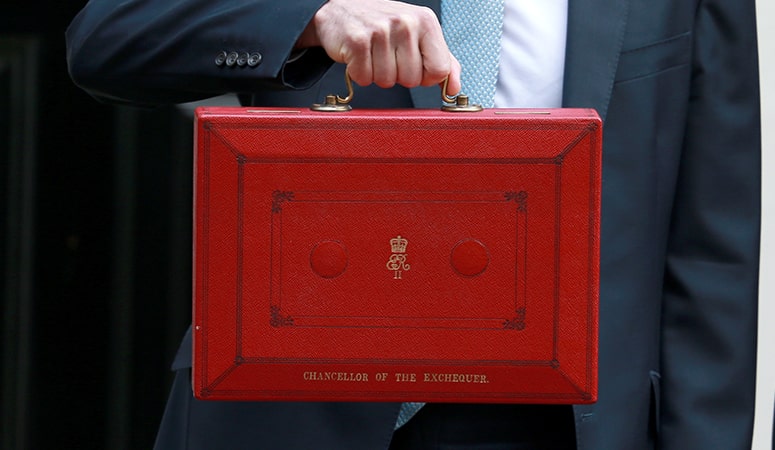

In its 2024 manifesto, the Labour Party pledged not to increase National Insurance, VAT or Income Tax. It also promised to cap the main headline rate of Corporation Tax at the current level of 25% for the party’s entire term in Parliament. With Andy Burnham fully intending to stick to these pledges, Chancellor John Healey faces restricted options for raising revenue in the Autumn 2026 Budget. As speculation mounts, we examine the areas that might affect your finances and what you could do in preparation.
Whether you own property, hold investments, or have pension savings you are hoping to pass on, the coming months could bring changes that affect your financial plans. Here are five areas where acting now could put you in a stronger position. Many of the possibilities discussed below are based on public policy debate rather than announced government measures.
- Capital Gains Tax – do you own assets with significant gains you’ve been meaning to review?
If you’ve been sitting on investments or a second property with significant gains, now could be the right time to take action. Capital Gains Tax (CGT) rates currently stand at 18% or 24% on most gains, depending on your Income Tax band. There is, however, growing speculation that these rates may rise to mirror Income Tax rates, meaning higher-rate taxpayers could face a 40% charge on gains, and additional-rate taxpayers as much as 45%. With the annual CGT exemption already reduced to just £3,000 (from a previous high of £12,300), even modest gains could have a meaningful impact on your overall tax position.
If you hold investments or property outside of a pension scheme or Individual Savings Account (ISA) and have been delaying a decision to sell, it may be worth revisiting that position sooner rather than later. Crystallising gains at current rates, before any potential increases take effect, could make a significant difference to the amount you ultimately retain. Any decision should form part of your wider financial planning objectives rather than being driven solely by Budget speculation.
- CGT on inherited assets – a significant tax relief could be under threat
If you stand to inherit – or leave – appreciated assets such as property, shares or a business, this is a relief worth understanding. Currently, when assets such as shares, property, or a business are inherited, the base cost resets to their value at the date of death, effectively wiping out any capital gains accumulated over a lifetime.
There’s growing concern that this relief could be abolished, although no changes have been announced. If it were, beneficiaries who subsequently sell inherited assets could face CGT on decades of accumulated growth, on top of any Inheritance Tax already paid. For families holding appreciated property or investment portfolios, such a change could fundamentally alter how wealth is passed between generations.
If your estate planning relies on this relief, now may be the time to explore alternative strategies before any changes are introduced.
- Income Tax thresholds – is fiscal drag quietly eroding your take-home pay?
Have you noticed your take-home pay feeling squeezed even as your salary rises? You are not alone. With Income Tax thresholds frozen until April 2031, salary increases and bonuses that might feel like progress could inadvertently push you into higher tax bands. While no further announcements are expected in this area, it’s worth considering whether your income is edging towards the higher-rate threshold of £50,270 per annum, or approaching £100,000, at which point your Personal Allowance begins to taper away, until it is fully eroded by £125,140.
This gradual drift into higher tax bands, commonly referred to as fiscal drag or ‘stealth tax’, is affecting a growing number of people each year, often without them realising. There are, however, strategies available to manage your taxable income effectively. Salary sacrifice arrangements to boost pension contributions, or making gifts to charitable causes, can both reduce your taxable income and help you retain more of what you earn.
Speaking with a financial adviser could help identify which approach is most appropriate for your circumstances.
- Pensions and Inheritance Tax – have you reviewed your estate plan in light of this landmark change?
For decades, pensions have been one of the most tax-efficient vehicles for passing wealth to future generations. That is set to change significantly. From April 2027, most unused pension funds and death benefits will be brought within the scope of Inheritance Tax, forming part of a person’s taxable estate. This measure was confirmed in the Autumn Budget 2024 and has since been enshrined in law.
For many families, this represents a fundamental shift in estate planning. If your current arrangements were structured around leaving pension assets to children or grandchildren free of Inheritance Tax, those plans may no longer achieve the outcome you intended. The good news is that there’s still time to act. Taking early advice could open up a range of mitigation strategies, whether that involves restructuring how assets are held, revisiting the order in which you draw on different sources of wealth, or exploring other estate planning tools altogether. The sooner a review is undertaken, the greater the options available to you.
- High Value Council Tax Surcharge (HVCTS) – the ‘Mansion Tax’
From April 2028, a new High Value Council Tax Surcharge will apply to residential properties in England valued at £2 million or more, with Scotland introducing a comparable levy on properties exceeding £1 million from the same date, following its announcement in the November 2025 Budget.
Properties will be placed into one of four bands by the Valuation Office (part of HMRC), with annual charges ranging from £2,500 to £7,500. Although the surcharge is expected to affect fewer than 1% of residential properties in England, it is forecast to raise approximately £430 million per year from 2028/29.1 An eight-week public consultation concluded in July 2026, with results still awaited.
Property owners are expected to be notified in autumn 2027 whether their home will be liable, allowing about six months to challenge any valuation before the tax takes effect. Importantly, the surcharge will sit alongside existing Council Tax bills, with one key distinction, it will be the responsibility of the property owner rather than the occupier. Companies and trustees holding qualifying properties will also be liable.
Looking further ahead, wider Council Tax reform has been raised as a possibility, and tax rates on property income are set to increase from April 2027, adding further cost pressures for landlords. Both developments are worth factoring into any property-related financial planning.
If you own a high-value property, now is a good time to familiarise yourself with the proposed bands and factor the potential surcharge into your longer-term financial planning – even before formal notifications are issued in 2027.
Further areas worth noting
The following areas are more speculative, but worth keeping on your radar as the Budget approaches.
Pension tax-free lump sum – could the 25% entitlement be scaled back?
The ability to withdraw 25% of pension savings as a tax-free lump sum (currently capped at £268,275) has long been a cornerstone of retirement planning. It has also been a recurring subject of pre-Budget speculation, with some analysts suggesting the allowance could be reduced significantly. Research indicates that cutting the tax-free amount to £100,000, for example, would affect around one in five retirees and result in approximately 40% of pension wealth losing the benefit of the tax-free component, raising an estimated £2 billion per year in additional tax revenue.2
That said, no change has ever been implemented, and the political and public sensitivity surrounding this relief may yet prove a deterrent. It remains, however, a risk worth keeping in mind when structuring retirement income, particularly for those with larger pension pots.
Wealth tax – a possibility or political noise?
Discussion of a broader wealth tax continues to circulate, particularly within Green Party policy circles. However, it has attracted significant pushback from senior economists, who have raised serious concerns about the potential drag on UK GDP and the considerable practical challenges of implementation. At present, it remains a topic of debate rather than credible near-term policy.
We will continue to monitor all developments in this area closely and will keep you informed of any changes that may affect your financial planning.
Getting prepared
Regardless of what the Autumn Budget may bring, the most important step you can take is to ensure your finances are as well-positioned as possible ahead of any announcements. Many of the planning opportunities discussed in this article are available now, and in some cases, acting sooner rather than later could make a material difference to your long-term financial position.
If you would like to discuss any of the areas covered here or explore what steps might be appropriate for your own circumstances, please don’t hesitate to get in touch with our team. We would be happy to help.
Nothing in this article constitutes financial advice, and not all of the changes discussed have been confirmed. Tax treatment depends on individual circumstances and is subject to change. We strongly recommend speaking with a qualified financial adviser before taking any action.
Sources
1 High Value Council Tax Surcharge – GOV.UK
2 Raising revenue from reforms to pensions taxation | Institute for Fiscal Studies