
Employee Benefits
The overlooked occupational hazard: skin cancer and your wellbeing strategy
If ultraviolet (UV) radiation were a chemical hazard, it would already be on your risk register.
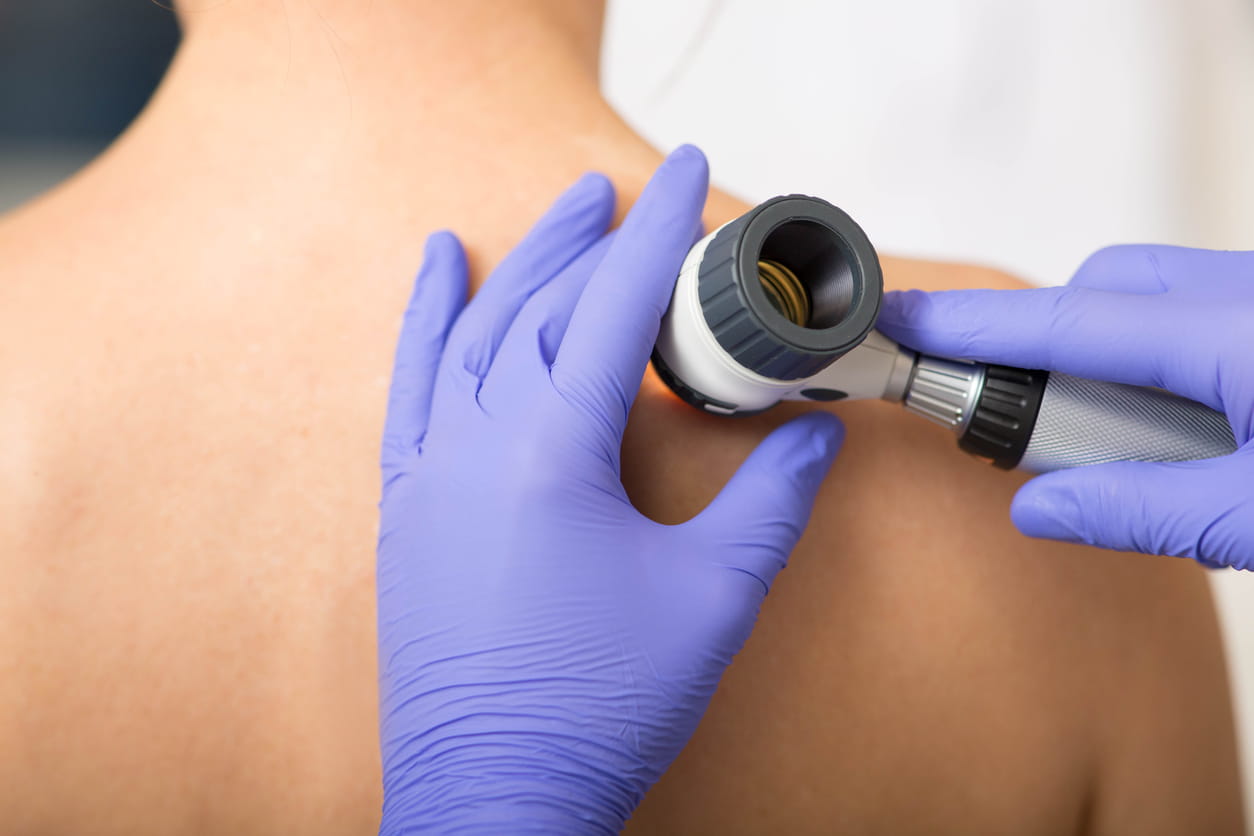

Skin cancer is the UK’s most common cancer and, crucially, one of the most preventable. A thoughtful wellbeing and benefits strategy can turn Melanoma Awareness Month[1] into meaningful prevention, early detection and better outcomes when things do go wrong.
Not just an outdoor worker problem
Employers often focus on obvious high‑risk roles – construction, facilities, logistics – where long hours outdoors significantly increase UV exposure. That focus is essential, but it’s only half the story.
Sedentary workers in IT, finance, legal and other office‑based roles are also at risk. They may assume they are ‘inside all day’ and therefore safe, yet much of their peak exposure happens:
- during commutes, lunchtime walks and after‑work socialising in spring and summer
- on holidays and short breaks, where intense, intermittent sun exposure and sunburn significantly increase melanoma risk
Building targeted communications for these groups – for example, pre‑summer campaigns on safe holiday sun habits, and reminders about checking moles before and after travel – helps close a blind spot. Skin cancer awareness should feel relevant to everyone, not just people who wear high‑visibility clothing.
Making skin cancer part of risk management
The most effective employers treat UV exposure like any other occupational risk.
For outdoor and mobile workers, that can include:
- clear policies on sun safety and protective clothing
- practical steps, such as providing broad‑brimmed hats or helmets with neck protection, UV‑protective clothing, sunscreen at depots and welfare units, and scheduling heavy outdoor work away from peak UV where possible
For indoor workers, the focus is more behavioural:
- education on UV index, how glass does (and doesn’t) block UV, and why “I only burn on holiday” is a red flag, not a reassurance
- simple guides to self‑checking skin and knowing when to see a GP
Line managers play a key role here. When they openly model good behaviour – using shade, taking breaks sensibly, talking about having a mole checked – they send a powerful signal that skin health is part of “how we work safely here”.
Using your benefits strategy for prevention
A modern employee benefits strategy is a practical engine for prevention and early detection, not just a safety net when people are unwell. Skin cancer is a good example of how that can work.
Well‑structured benefits can include:
- SkinVision/skin analytics services: Digital or in‑person mole and skin assessments that flag suspicious lesions for further review. These can be delivered via partner providers, virtual apps or through specialist clinics.
- Health cash plans: Often overlooked, these can support routine eye and dental checks but increasingly also signpost to health assessments, skin checks or discounted screening services. They give employees easy ways to act on concerns early.
- Private medical insurance (PMI): When something is suspicious, PMI can provide rapid access to dermatology consultations, diagnostics and treatment pathways, reducing anxiety and time away from work.
- Private GP services: Available through many health and wellbeing solutions – these services make it much easier for employees to get an expert view quickly, including on skin changes.
By highlighting these routes in your Melanoma Awareness Month activity, you turn generic “check your moles” messages into clear calls to action: “Here’s exactly how you can get something checked, and here’s who pays”.
When things go wrong: the role of group risk
Even with strong prevention and early‑detection efforts, some employees will still receive a cancer diagnosis. This is where your group risk benefits quietly become critical.
- Group income protection can provide long‑term financial support where treatment or side‑effects limit someone’s ability to work. Many policies now include value‑added services such as virtual GPs, second medical opinions and rehabilitation or return‑to‑work support.
- Life assurance (death in service) can provide a lump sum to dependants if an employee dies from cancer, offering vital financial security at a very difficult time.
- Some arrangements may offer access to specialist cancer support services: dedicated nurse helplines, counselling, or care coordination.
Connecting these elements in your communications – from prevention to early detection, to financial and practical support if the worst happens – helps employees understand the full safety net you’ve put in place.
Where to start – and how to get help
For employers, especially those without large in‑house HR or health and safety teams, it can be hard to know where to start. A pragmatic approach for Melanoma Awareness Month1 might be:
- review your high‑risk roles and existing policies around outdoor work
- map how your current benefits (cash plans, PMI, private GP, group risk) already support skin‑cancer‑related prevention, diagnosis and treatment
- plan a short campaign for May that speaks to both outdoor and sedentary workers, with clear signposting to the benefits you provide
You don’t have to design this alone. The Mattioli Woods Employee Benefits team can help you:
- audit your existing arrangements from a cancer‑care and prevention perspective
- design a joined‑up wellbeing and benefits strategy that makes skin health a visible, normal part of work
- communicate clearly with your people so they understand what’s available and how to use it
By treating skin cancer as a business‑critical risk – and using your wellbeing and benefits strategy to address it – you protect your people, strengthen your culture and demonstrate that ‘duty of care’ is more than just a phrase on a policy document.
Contact our Employee Benefits team today to find out how we can help your business build a happier and healthier workforce.
Disclaimer: The information in this article is provided for general information only and does not constitute advice. Products and services are subject to eligibility and availability criteria.
Source: